Concrete Slab Contractors Near Me for Round Rock Foundations
Slabs-on-grade for shops, detached garages, additions, sheds and equipment pads, plus concrete pads for AC units, generators and hot tubs. Built to the engineer's drawings when there are drawings, and designed for limestone or clay when there aren't.
Working in Round Rock, Georgetown, Cedar Park, Leander, Hutto, Pflugerville and Brushy Creek.
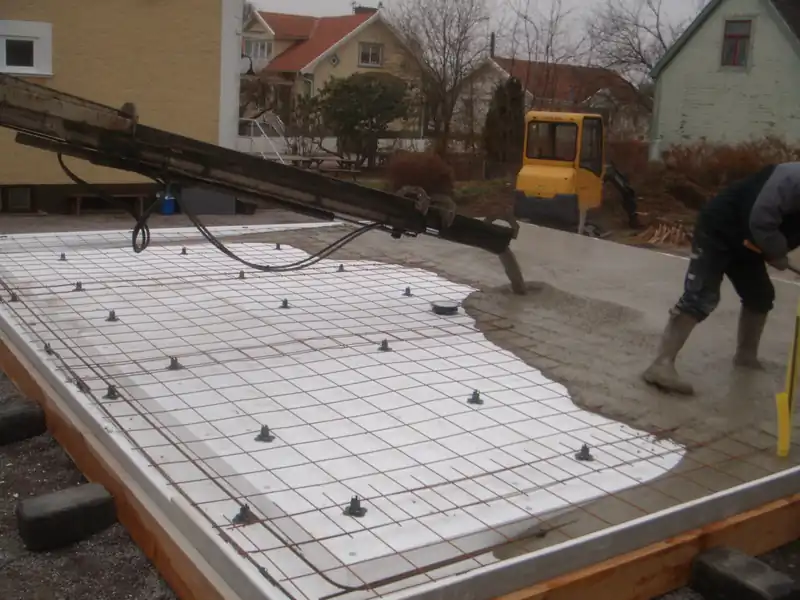
Foundation Contractors for Shops, Garages and Pads
- Shop and barn slabs with thickened edges and anchor bolts set to the building plan.
- Detached garage slabs sloped to the door with a thickened apron.
- Room-addition slabs doweled to the existing house slab.
- Shed and storage pads.
- Equipment pads for AC units, generators and pool equipment.
- Hot tub slabs sized and reinforced for the weight when full.
Not on the list: new-home foundations as the builder, pier-and-beam work and foundation leveling. See the FAQ below for who to call instead.
Digging for Foundation Work on Rock vs. Clay
Round Rock sits on the Balcones Fault Zone. To the west is limestone with thin soil. To the east is thick black clay. A UT Austin bedrock study of the city notes that geologists learned a lot from construction trenches here between 1997 and 2006. Digging tells you what you're building on.
What digging the footing looks like
Choose your side of I-35 to see what the excavation usually involves.
- Thickened edges and beams may need a rock saw or hammer. Plan for that in the bid.
- Bearing is excellent once you reach rock, but the slab still needs a consistent base so it isn't thick in some spots and thin in others.
- Watch for water moving along the top of the rock after heavy rain.
- Soil survey: Houston Black clay has very high shrink-swell potential; structures crack and buckle if not designed for it.
- An engineer may call for removing clay and replacing it with select fill, moisture conditioning, or a post-tension design.
- Keep the site from drying out or flooding between excavation and pour.
811 and the lines 811 misses
Texas law requires an 811 call at least two working days before mechanical digging 16 inches or deeper, and no earlier than 14 days before.
Water and sewer operators don't have to be part of 811, so we confirm those lines separately. Private lines, like a sprinkler or a feed to a shop, aren't marked by anyone, so we ask you about them.
Concrete Pad Contractors: From Layout to Load
Shop slab, frame by frame
Step through it with Next, or jump to a frame by number.
-
Layout and grade
Corners are staked from the building plan and checked for square. The pad is cut or built up to the grade the engineer or the building kit calls for.
-
Base and moisture barrier
Select fill is compacted in lifts and checked. A vapor barrier goes down under any slab that will be enclosed.
-
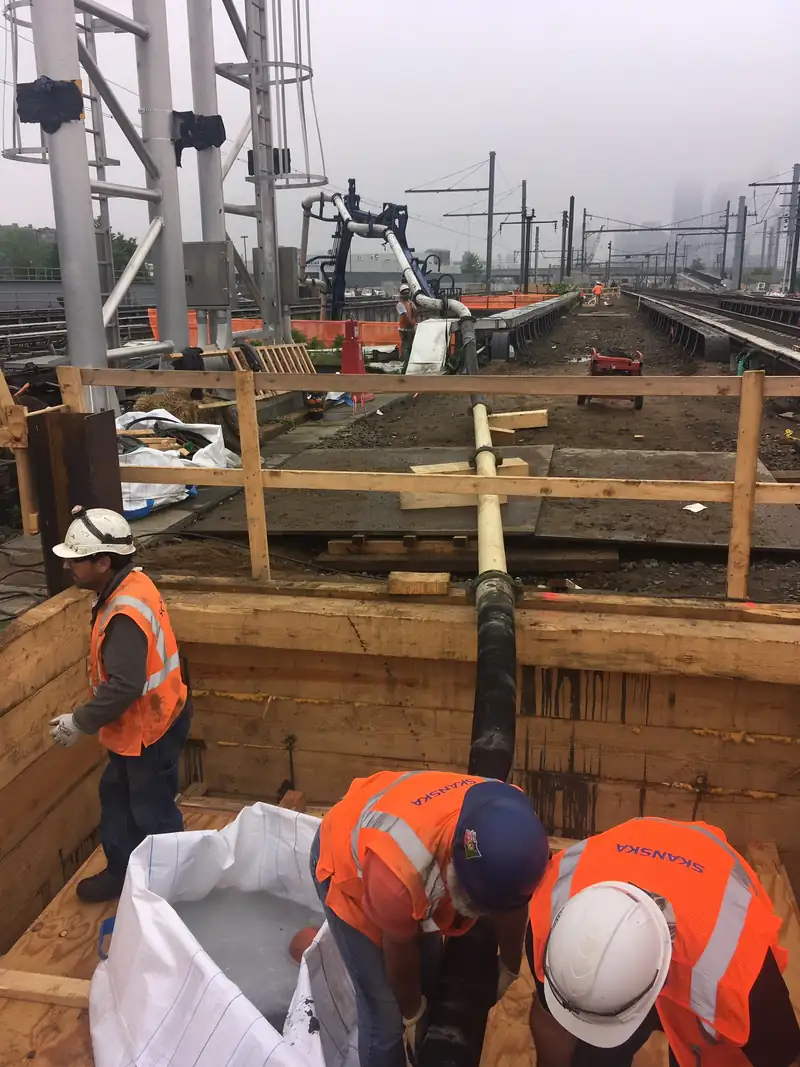
Steel, anchors and pour
Rebar on chairs, thickened edges dug, anchor bolts or embeds set to template. The pump or chute places the concrete and the crew strikes it off to the forms.
-
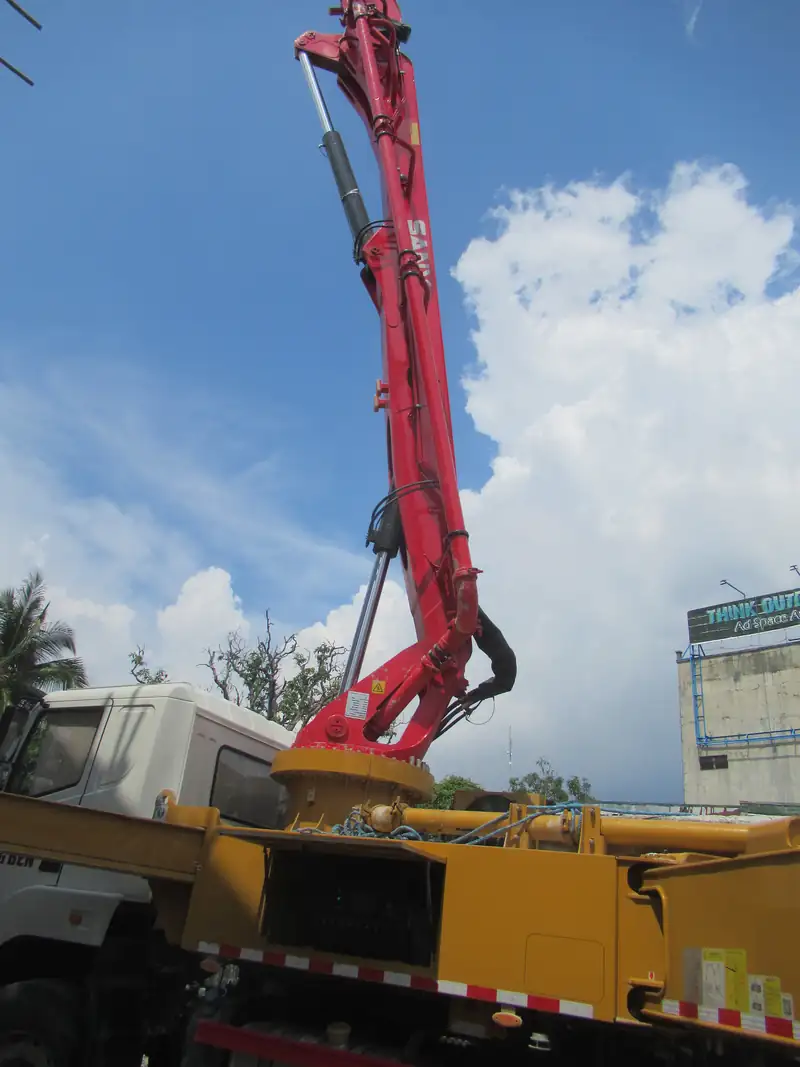
Finish and joints
Smooth trowel for a shop floor, broom for an exterior pad. Joints get sawed within hours of the pour to control shrinkage cracking.
-
Cure before you build
Wet cure or curing compound, then wait before setting wall framing or heavy equipment. The scope gives the dates.
Send the Slab Plan or a Photo of the Spot.
If you have a building kit drawing or an engineer's slab plan, text a photo of the page along with a picture of the site. If not, a photo of the area and your rough dimensions are enough to start.
Text photos to
(512) 000-0000Pressed Concrete Slabs, Thickness and Steel
Typical outbuilding slabs are 4 to 6 inches thick with thickened edges and rebar. Equipment, vehicles and the building's design can push that up. Fiber helps control early plastic cracking in the heat but doesn't replace rebar where the slab needs strength.
Hot weather matters for slabs too. With highs in the upper 90s in summer, a big slab loses surface water fast. We pour early, may use a mix with a retarder, and start curing right away.
A slab is only as good as its base
Thicker concrete won't fix a soft spot underneath. Compacted base and water control matter more.
Slab size to concrete volume
Type rough measurements in feet. It does the math; it does not price the job.
720 sq ft at 6 in is about 13.3 cubic yards; with a 10% overage for uneven base and spillage, plan on about 14.7 yd³.
Thickened edges and beams add volume this simple box math leaves out. It's a planning number, not a quote.
Slab and Foundation Questions for Round Rock Properties
Do you pour house foundations?
Not as the general contractor for a new house. A house foundation in Round Rock needs an engineer's design (often post-tensioned on expansive clay) and a builder running the project. We pour slabs-on-grade for shops, garages, sheds, additions and equipment pads, following the engineer's drawings when the job has them.
Do I need an engineer for a shop slab?
For a small shed pad, usually not. For a building with walls and a roof, or anything on deep clay, an engineered design is the safe choice, and the City or your builder may require it. If a plan exists, we build to it. If not, we'll tell you when we think you need one.
Can you fix my house foundation?
No. Foundation leveling and pier work is a specialist trade. If you see stair-step cracks in brick, sticking doors or a sloping floor, call a foundation repair company or a structural engineer. We're glad to fix the flatwork around the house once the foundation is sorted.
What is a post-tensioned slab, and can I cut into one?
Many Round Rock homes sit on post-tension slabs with steel cables under high tension. Never core, saw or drill into one without locating the tendons first, and look for a post-tension warning label, often posted in the garage. When we tie a new slab into a PT house slab, we dowel at the edge only after the cables are located.
What are pressed concrete slabs?
"Pressed" usually means stamped (a textured surface), and in some places it refers to precast pavers. For a structural slab, the finish is usually smooth trowel or broom. If you want a decorative surface, see stamped concrete.
Send Us Your Foundation or Slab Plans
Tell us what you're thinking about and roughly where the property is. We'll come look, ask a few questions about drainage and use, and send the scope in writing.
- No charge for the visit or the written scope.
- Photos help us show up with the right questions.
- If the job is outside what we do, we'll say so.
Prefer to talk?
(512) 000-0000Call or text.
Related Slab and Site Work
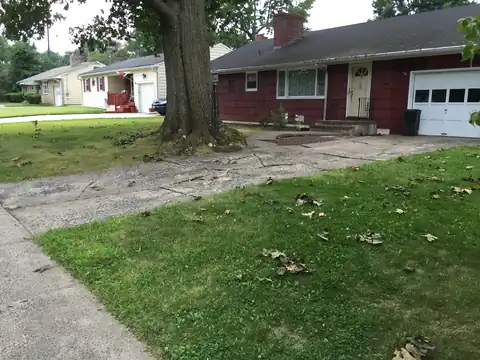
Building a Shop or Garage? Get the Slab Right First.
The building only goes up once. Tell us what's going on the slab, and send the drawings if you have them. More about us on the Round Rock concrete contractor homepage.